


A private day tour from Athens to “Meteora”, a unique geological phenomenon, and the rock Monasteries, part of UNESCO’s List of National Heritages. Meteora areone of the most famous, interesting and impressive places in the world and one of Greece’s cultural treasures.
“Meteora” is the biggest and most important group of monasteries in Greece after those in Mount Athos. The first traces of religious activity in Meteora can be found in the 11th century, when the first hermits settled there.
Itinerary
Day 1
Your driver will pick you up from your hotel/apartment in the Athens centre or in the Piraeus area. The trip is approximately 3,5 to 4 hours and, of course, rest stops will be available on the way.
Traveling through the valleys and mountains of central Greece, various towns and villages, we’ll arrive at the impressive Monastic Community of Meteora.


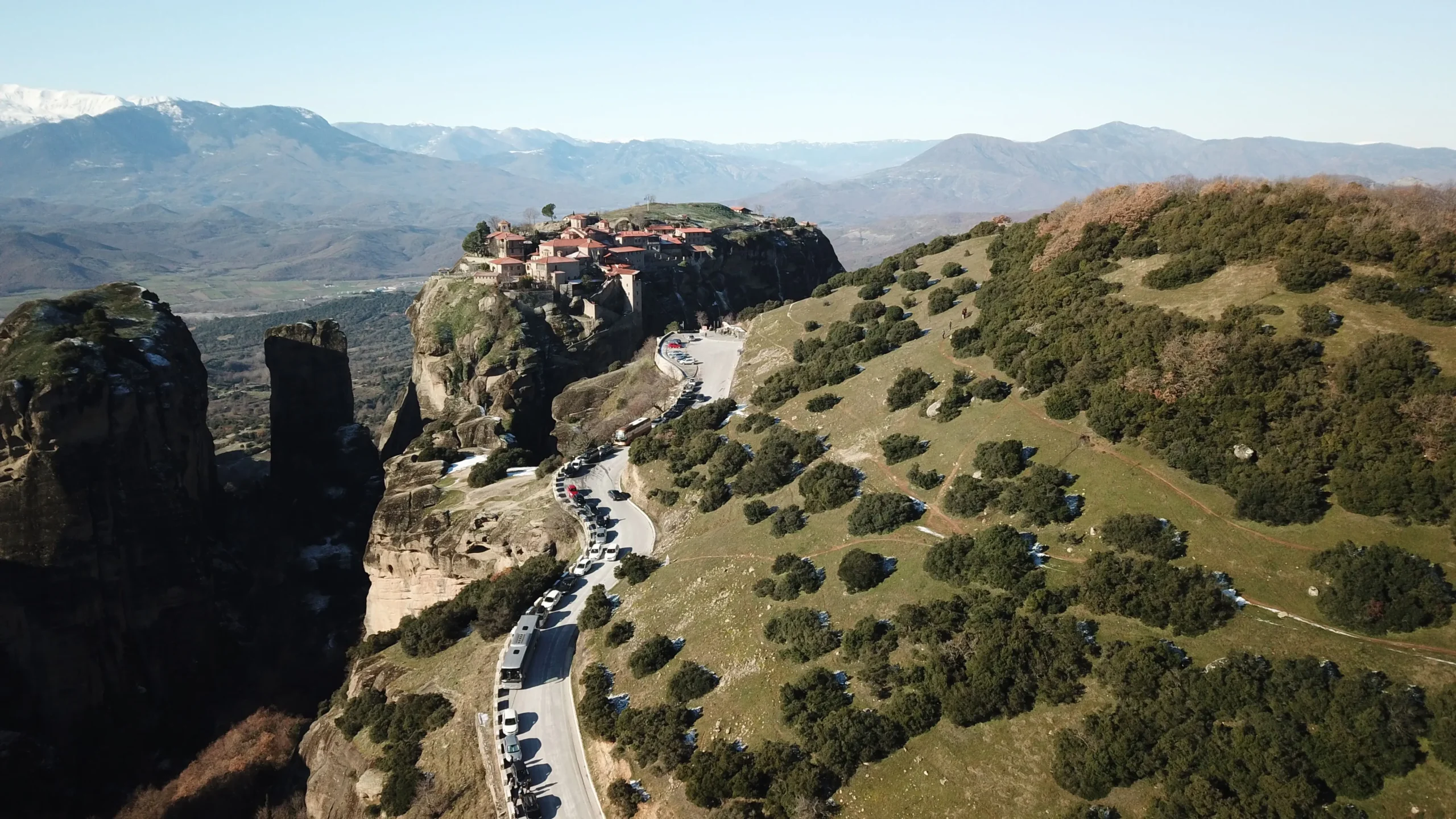
Six of the Monasteries are still active and open to visitors. We will see and take photos from the best possible spots of all six of them and we will actually visit up to three of them, depending on which ones are open on the day of your visit.


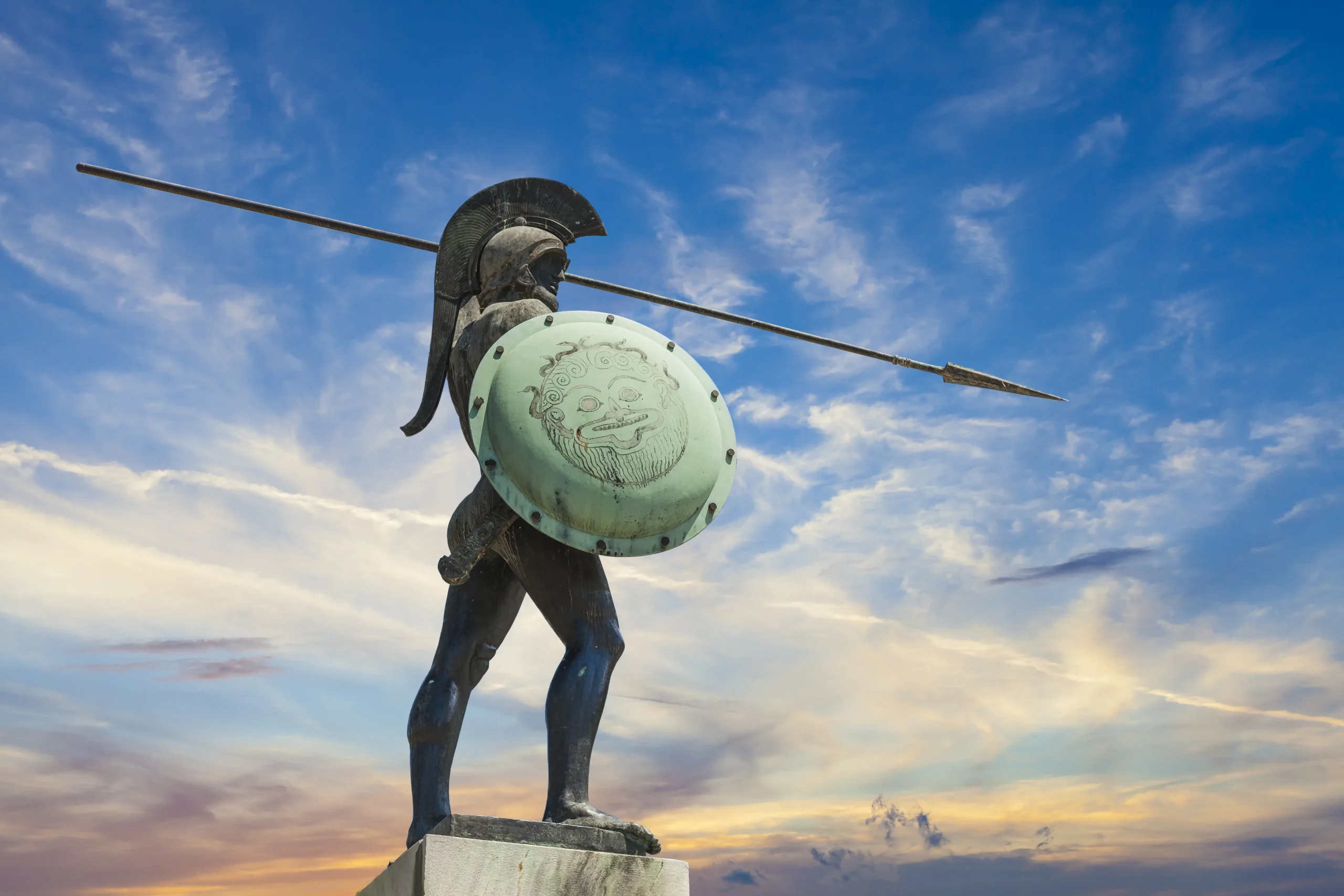
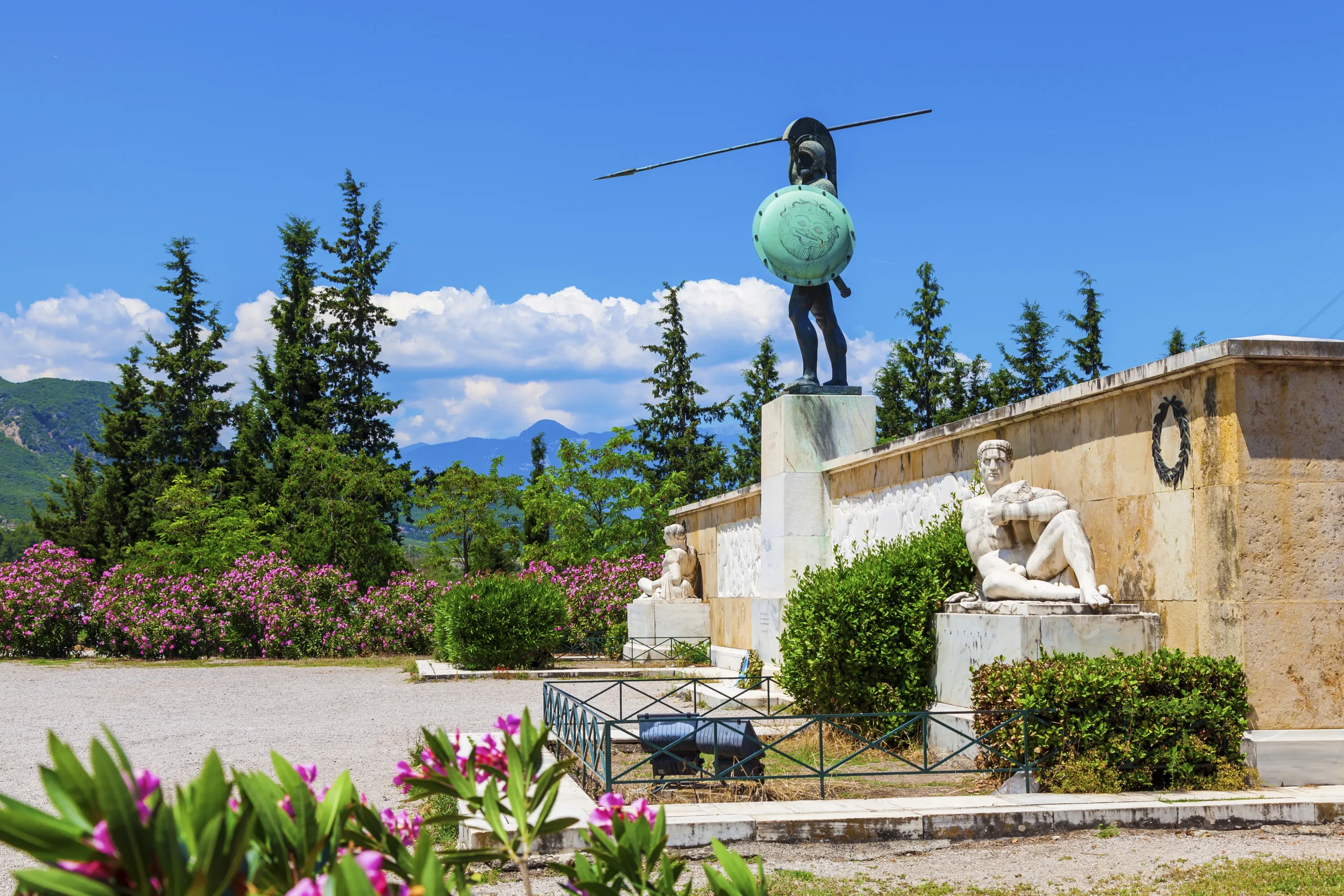
After lunch and some free time in Kalambaka, we’ll start our return trip to Athens. Almost half the distance to Athens we can stop at Thermopylae to see the statue of Leonidas, the King of the Spartans, who fell in battle with all his 300 warriors fighting the Persians of Xerxes in 480 B.C.

Duration approximately 12 hours
Enjoy your tour in privacy and comfort and stay away from tiring big groups and stressful crowds.
All my tours are private (vehicle reserved exclusively for you) and flexible. It is always up to you to modify the suggested itinerary according to your personal preferences, even during the tour, if feasible.
About the Monasteries
“Meteora” is the biggest and most important group of monasteries in Greece after those in Mount Athos. We find the first traces of Meteora in the 11th century when the first hermits settled there. The rock monasteries, a unique geological phenomenon, are in UNESCO’s List of National Heritages and are one of Greece’s cultural treasures.
1) The Holy Monastery of Great Meteoron
| It is the biggest of the Meteorite monasteries. The church ‘Catholicon’, dedicated to the “Transfiguration”, was erected in the middle of 14th century (1387-88) and was hagiographed in 1483 and 1552. The old monastery is used today as a museum. |
| Summer (April 1 – Oct. 31) 09:30 – 15:00 (Every Tuesday Closed) |
| Winter (Nov. 1 – March 31) 09:30 – 14:00 (Every Tuesday, Wednesday & Thursday Closed) |
2) The Holy Monastery of Varlaam
| Is the second in size monastery after the Great Meteoro. The church, dedicated to the three Bishops, is in the Athonite type (cross-in-square with dome and choirs), with spacious “esonarthex” (lite) surrounded by dome as well. It was built in 1541-42 and hagiographed in 1548, while the “esonarthex” was hagiographed in 1566. The old refectory is used as a museum while North of the Church we can see the “parekklesion” of the Three (Bishops) built in 1627 and hagiographed in 1637. |
| Summer (April 1 – Oct. 31) 09:00 – 16:00 (Every Friday Closed) |
| Winter (Nov. 1 – March 31) 09:00 – 15:00 (Every Thursday & Friday Closed) |
3) The Holy Monastery of Rousanou
| This monastery is dedicated to Saint Barbara. The “Katholikon”, in the Athonite type, was founded in the middle of the 16th century and decorated in 1560. Both the “Katholikon” and the reception halls are in the ground floor while the “archontariki”, cells and subsidiary rooms are scattered in the basement and the first floor. |
| Summer (April 1 – Oct. 31) 09:00 – 15:30 (Every Wednesday Closed) |
| Winter (Nov. 1 – March 31) 09:30 – 14:00 (Every Wednesday Closed) |
4) The Holy Monastery of St. Nicholas Anapausas
| Its the first to meet on our way from Kastraki to Meteora. The ‘Katholikon’ dedicated to St. Nicholas, is a single – nave church with small dome, built in the beginning of 16th c. It was decorated by the Cretan painter Theophanis Strelitzas or Bathas, in 1527. |
| Summer (April 1 – Oct. 31) 09:00 – 17:00 Winter (Nov. 1 – March 31) 09:00 – 16:00 |
5) The Holy Monastery of St. Stephen
| It is the one with the easiest access, as we don’t have to climb numerous stairs to reach it. The small single-nave church of St. Stephen was built in the middle of 16th century and hagiographed in circa 1545. The “Katholikon”, dedicated to St. Charalambos, was built in the Athonite type in 1798. |
| Summer (April 1 – Oct. 31) 09:00 – 13:30 and 15:30 – 17:30 (Every Monday Closed) Winter (Nov. 1 – March 31) 09:30 – 13:00 and 15:00 – 17:00 (Every Monday Closed) |
6) The Monastery of the Holy Trinity
| Extremely difficult to reach. The visitor has to cross the valley and continue high up through the rock before he arrives at the entrance gate. The church is in the cross-in-square type with the dome based in two columns. It was built in 1475-76 and hagiographed in 1741. The spacious barrel – vaulted “esonarthex” was erected in 1689 and hagiographed in 1692. A small “skeuophylakeion” (sacristy) was added next to the church in 1684. |
| Summer (April 1 – Oct. 31) 10:00 – 16:00 (Every Thursday Closed) Winter (Nov. 1 – March 31) 10:00 – 15:00 (Every Wednesday & Thursday Closed) |
About Thermopylae
Thermopylae, literally “hot gates”, is the battlefield of the famous battle between the Persians of Xerxes and the Spartans of Leonidas in 480 B.C.
It was a very narrow coastal passage between the steep slope of the mountain and the sea line as it existed in antiquity. Thermopylae derives its name -“hot gates“- from the several natural hot water springs in the area. Today the pass is not near the sea but is several miles inland because of sedimentation in the Gulf of Maliakos. The old track appears at the foot of the hills around the plain flanked by a modern road. Recent core samples indicate that the pass was only 100 meters wide and the waters came up to the gates!
The ancient poet Simonides composed a well-known epigram which was engraved as an epitaph in honor of Leonidas and his Spartans on a commemorative stone placed on top of the burial mound of the Spartans. The original stone has not been preserved. Instead the epitaph was engraved on a new stone erected in 1955.
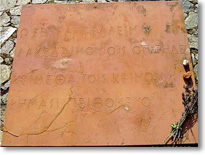
The epigram, as quoted by Herodotus, reads:
ο ξειν’, αγγέλλειν Λακεδαιμονίοις οτι τειδε
κείμεθα, τοις κείνων ρήμασι πειθόμενοι.
Ō ksein’, angellein Lakedaimoniois hoti tēide
keimetha tois keinōn rhēmasi peithomenoi.
Translation
Stranger, tell the Spartans that we behaved
as they would wish us to, and are buried here.
